

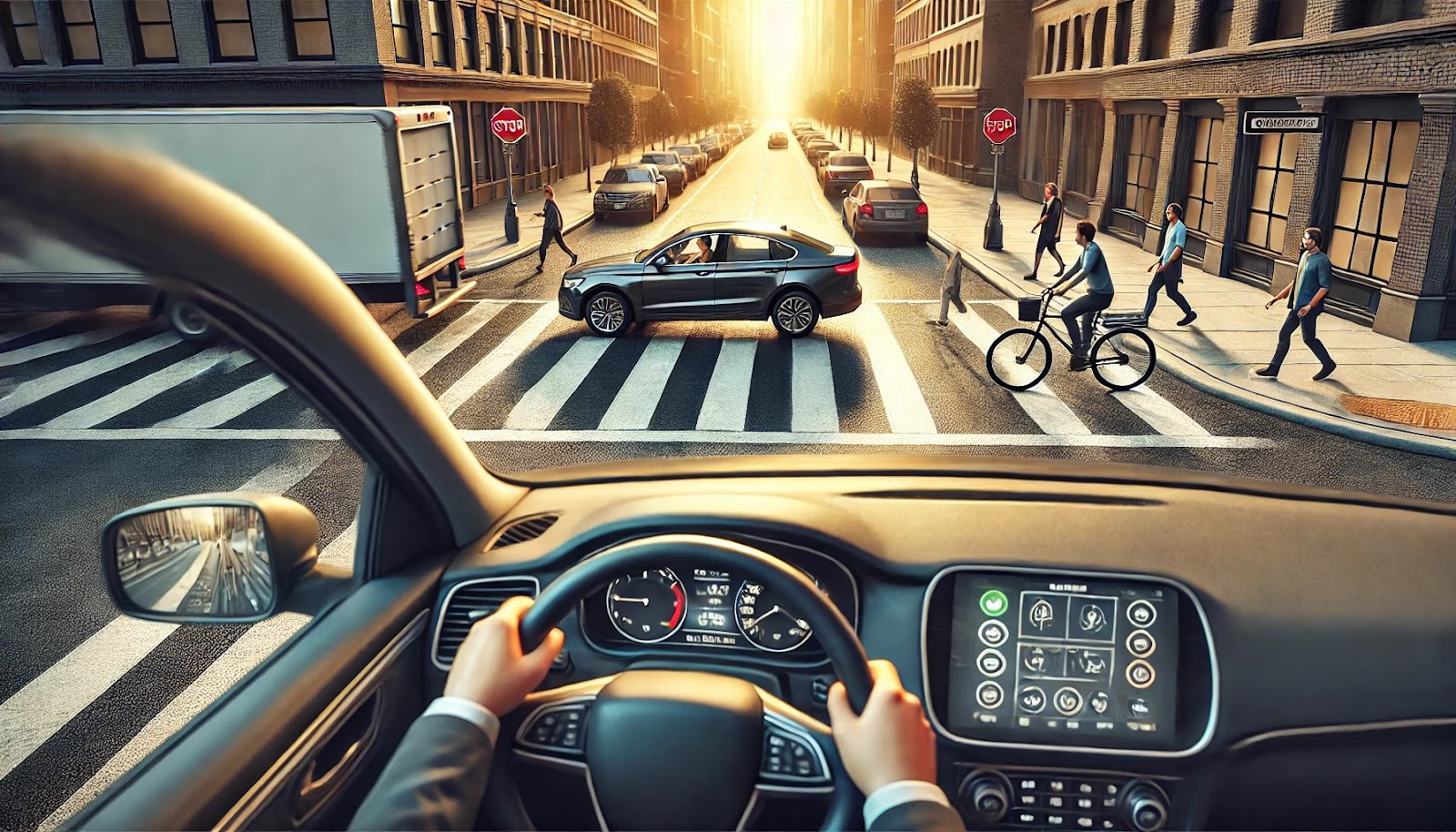
Driving is often the most dangerous activity the average person performs on a daily basis. While most people view a driver’s license as a rite of passage, it is in reality a significant responsibility that requires constant attention and skill. Standard driving focuses on basic vehicle control and following traffic laws, but defensive driving school goes several steps further. It is a proactive philosophy that assumes other drivers will make mistakes and that environmental conditions can change in an instant. By adopting a defensive mindset, you move from being a reactive participant in traffic to an active manager of your own safety. This approach reduces the likelihood of collisions; lowers stress behind the wheel, and can even save you money on insurance and fuel costs.
Defining the Defensive Mindset
Defensive driving can be described as driving to save lives, time, and money regardless of the surrounding environment and the behavior of other people. It is the practice of using observation and anticipation to identify potential hazards before they become immediate threats. Many drivers fall into the trap of assuming that if they follow the speed limit and stay in their lane, they are safe. However, a defensive driver understands that they cannot control the behavior of the person in the next lane who might be texting, or the patch of black ice hidden in a shadow.
The core of this mindset is the surrender of the “right of way” in favor of safety. Even if you technically have the legal right to proceed through an intersection, a defensive driver pauses to ensure that oncoming traffic is actually stopping. It is about being “consciously competent,” which means staying fully engaged with the task of driving rather than allowing the mind to drift into autopilot. This mental alertness is the first and most important line of defense against the unpredictability of the open road.
The Three-Second Rule and Space Management
One of the most effective and easy-to-implement techniques in defensive driving is the three-second rule. Maintaining a safe following distance is the best way to prevent rear-end collisions, which are among the most common types of accidents. To apply this, pick a stationary object on the side of the road, such as a sign or a tree. When the car in front of you passes that object, count “one-thousand-one, one-thousand-two, one-thousand-three.” If you reach the object before you finish counting, you are following too closely.
In poor weather conditions, such as heavy rain, fog, or snow, this cushion should be doubled to six seconds or more. Space management isn’t just about the car in front of you; it also involves maintaining an “escape route” to your sides. If possible, avoid driving in large clusters of vehicles or staying in another driver’s blind spot. By keeping an open space to at least one side of your vehicle, you ensure that you have a place to steer if a sudden obstacle appears in your path.
Scanning the Horizon and Situational Awareness
Many drivers focus only on the car immediately in front of them, which limits their reaction time to just a fraction of a second. Defensive driving requires a much broader perspective. Experts recommend scanning at least twelve to fifteen seconds ahead of your current position. In a city environment, this means looking about one block ahead; on the highway, it means looking toward the horizon.
By scanning far ahead, you can spot brake lights, merging traffic, or construction zones long before you reach them. This allows you to ease off the accelerator and change lanes gradually rather than slamming on the brakes at the last moment. Moreover, situational awareness is checking your rearview and side mirrors after every five to eight seconds. Knowing exactly who is behind you and how fast they are approaching is vital information if you ever need to make an emergency stop.
Conclusion
Defensive driving is more than just a set of mechanical skills; it is a commitment to personal responsibility and communal safety. By managing your speed, maintaining a generous space cushion, and constantly scanning the environment for potential hazards, you significantly tip the scales of safety in your favor. These techniques empower you to handle the errors of others and the challenges of the environment with calm and precision. While you can never eliminate all risks on the road, becoming a defensive driver ensures that you are doing everything within your power to protect yourself, your passengers, and everyone else sharing the pavement. Safety is a choice made in every mile, and defensive driving is the most effective way to make that choice count.