

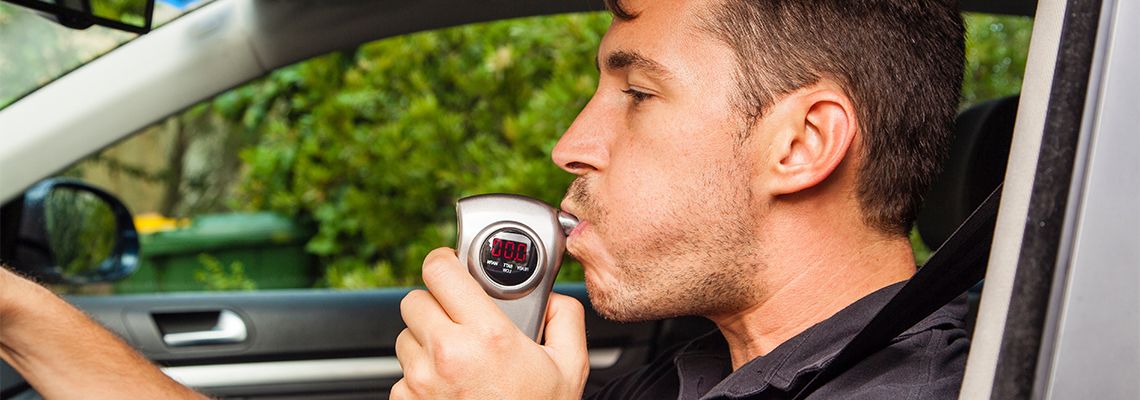
Breathalyzer devices are widely used by law enforcement to estimate a driver’s blood alcohol concentration (BAC). While they are considered reliable tools, they are not infallible. Many drivers assume that if a breath test shows over the legal limit, the case is closed. In reality, breathalyzer results can sometimes be challenged under certain circumstances.
Understanding how these devices work—and where errors can occur—can help clarify whether breathalyzer results can be wrong and how they may be disputed in court.
How Breathalyzers Work
Breathalyzers measure the amount of alcohol in your breath and convert it into an estimated blood alcohol concentration. The science behind this is based on the idea that alcohol in the bloodstream transfers into the lungs and is exhaled in measurable amounts.
There are generally two types of devices:
- Preliminary Breath Tests (PBTs): Portable roadside devices used during traffic stops.
- Evidentiary Breath Tests: Larger, more advanced machines used at police stations that are intended for court evidence.
While evidentiary devices are more accurate, both types can be affected by multiple factors.
Can Breathalyzer Results Be Wrong?
Yes, breathalyzer results can sometimes be inaccurate. Errors may occur due to device issues, environmental factors, or human mistakes.
Below are some common reasons breathalyzer readings may be challenged.
1. Improper Calibration
Breathalyzer machines must be regularly calibrated and maintained according to strict standards. If a device is not properly calibrated:
- It may produce falsely high readings
- It may not function consistently
- The results may be deemed unreliable
Maintenance logs and calibration records are often reviewed in court to determine whether the machine was functioning properly at the time of the test.
2. Officer Error or Improper Procedure
Law enforcement officers must follow specific protocols when administering a breath test.
These procedures may include:
- Observing the driver for a set period before testing
- Ensuring no food, drink, or smoking occurred
- Using the correct testing sequence
Failure to follow proper protocol can compromise the validity of the results. Even small procedural mistakes can form the basis of a legal challenge.
3. Medical Conditions
Certain medical conditions can affect breathalyzer readings.
For example:
- Acid reflux (GERD)
- Diabetes
- Hypoglycemia
- Certain metabolic disorders
Some conditions may produce substances that the device mistakenly reads as alcohol. Additionally, individuals with GERD may have alcohol vapors from the stomach rise into the mouth, temporarily increasing the reading.
4. Residual Mouth Alcohol
Breathalyzers are designed to measure deep lung air, not alcohol lingering in the mouth.
However, if someone has:
- Recently consumed alcohol
- Used mouthwash containing alcohol
- Taken certain medications
- Vomited or burped before testing
Residual alcohol in the mouth may produce an artificially high reading.
This is why officers are typically required to observe a waiting period before administering the test.
5. Environmental Factors
Certain chemicals in the environment can interfere with breathalyzer devices.
For example:
- Paint fumes
- Gasoline vapors
- Cleaning solvents
- Industrial chemicals
In rare cases, exposure to these substances may affect test results, especially with older or improperly maintained devices.
6. Rising Blood Alcohol Levels
Alcohol does not immediately peak in the bloodstream. After drinking, BAC can continue rising for some time.
If a person is tested shortly after driving:
- Their BAC at the time of testing may be higher than it was while driving
- The test result may not accurately reflect BAC at the time of operation
This is sometimes referred to as the “rising BAC” defense and may be considered depending on the timeline of events.
7. Radio Frequency Interference
Although modern devices are designed to resist interference, electronic signals from police radios or other equipment have been cited in some cases as potential sources of error.
Defense teams may investigate whether the testing environment could have affected the device’s accuracy.
How Breathalyzer Results Are Challenged in Court
Challenging a breathalyzer result usually involves examining:
- Maintenance and calibration records
- Officer training and certification
- Proper administration procedures
- Video footage of the traffic stop
- Medical evidence
- Timing of alcohol consumption
A defense lawyer may request records, cross-examine the officer, or present expert testimony to question the reliability of the result.
It’s important to note that a breath test is only one piece of evidence. Prosecutors may also rely on:
- Field sobriety tests
- Officer observations
- Dashcam or bodycam footage
- Blood test results (if available)
Are Breathalyzers Generally Reliable?
Breathalyzers are widely accepted in courts and are generally considered reliable when:
- Properly maintained
- Correctly administered
- Used in accordance with legal standards
However, no testing method is perfect. Legal systems allow challenges because even scientifically accepted tools can produce errors under certain conditions.
What to Do If You Believe the Result Was Wrong
If you believe a breathalyzer result was inaccurate:
- Consult a qualified DUI lawyer or impaired driving lawyer promptly.
- Write down everything you remember about the stop and testing process.
- Note any medical conditions or recent alcohol consumption details.
- Preserve any receipts, timelines, or witness statements.
Early legal advice is crucial, as there are often strict deadlines for filing challenges or appeals.
Final Thoughts
Breathalyzer devices are important tools in enforcing impaired driving laws, but they are not beyond question. Calibration issues, procedural errors, medical conditions, and environmental factors can sometimes lead to inaccurate readings.
Whether a breathalyzer result can be successfully challenged depends on the specific facts of the case. If you are facing charges, seeking professional legal guidance is the best way to evaluate your options and protect your rights.
Understanding your rights and the science behind breath testing can make a significant difference when navigating an impaired driving case.