

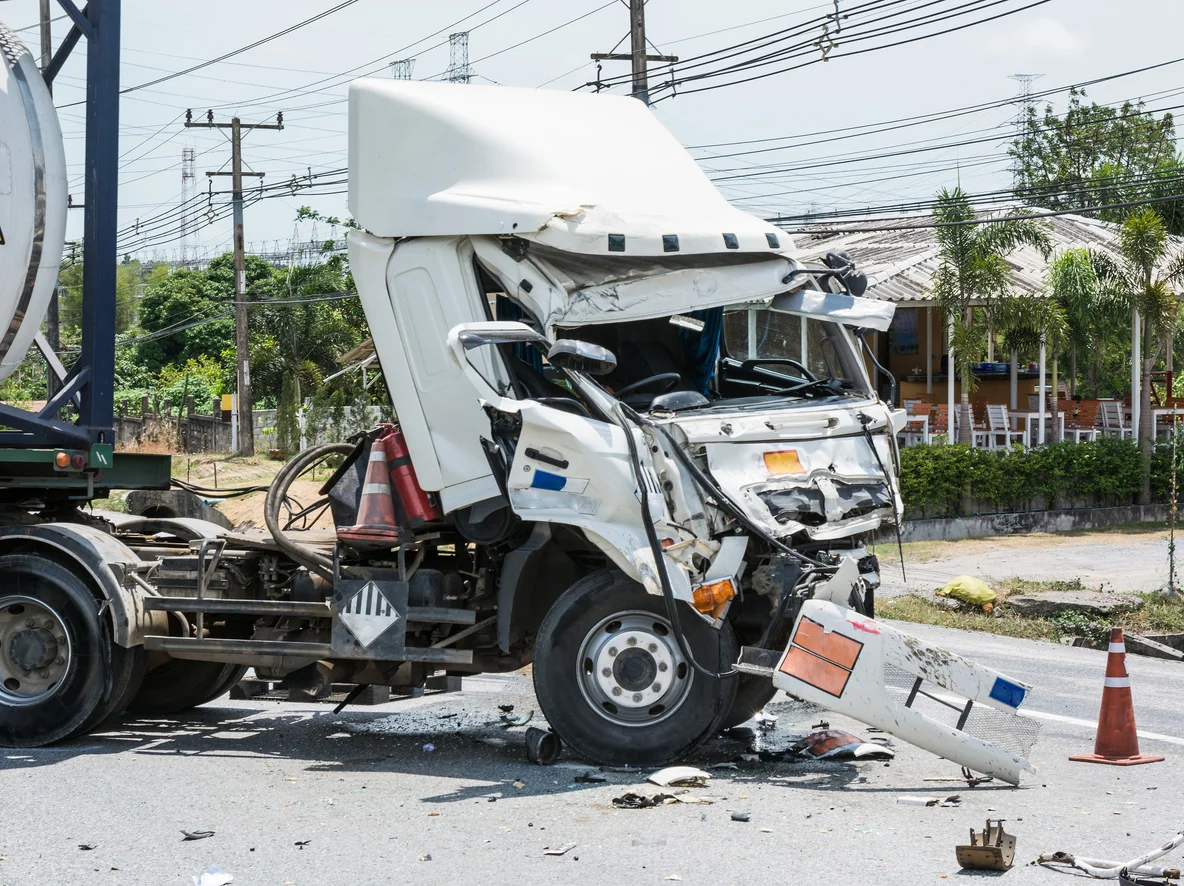
The legal aftermath of a commercial truck accident has always been more complex than a standard passenger vehicle collision. Traditionally, these cases relied heavily on physical evidence like skid marks, eyewitness accounts of varying reliability, and paper logbooks that were notoriously easy to manipulate. However, we are currently witnessing a technological revolution in the trucking industry that is fundamentally altering how evidence is gathered, analyzed, and presented in the courtroom. From satellite tracking to sophisticated onboard computers, the integration of high-tech tools into heavy vehicles is removing the guesswork from truck accident attorneys in Houston litigation and providing a level of transparency that was previously unimaginable.
The End of the Paper Trail: Electronic Logging Devices
For decades, the paper logbook was the primary tool used to determine if a truck driver was in compliance with federal hours-of-service regulations. Unfortunately, these logs were often called comic books by industry insiders because they could be easily falsified to hide the fact that a driver was operating while dangerously fatigued. The transition to mandatory Electronic Logging Devices has largely eliminated this transparency gap. These devices are integrated directly with the truck’s engine, automatically recording every minute the vehicle is in motion.
In a modern lawsuit, these logs provide an indisputable timeline of a driver’s actions. Attorneys can now see precisely when a driver started their shift, how long they rested, and whether they were pushing beyond legal limits to meet a delivery deadline. This data is critical because fatigue remains one of the leading causes of catastrophic accidents. By providing a digital, tamper-proof record, technology has shifted the focus from debating the accuracy of a handwritten note to analyzing a definitive set of data points.
Black Box Forensics and Telematics Data
Just as airplanes have flight recorders, modern commercial trucks are equipped with an Event Data Recorder, commonly referred to as a black box. This device captures a wealth of technical information from the seconds leading up to and during a collision. It records variables such as the vehicle’s speed, the percentage of throttle being applied, steering angles, and exactly when the brakes were engaged. This information allows accident reconstruction experts to build a scientific model of the crash that is far more accurate than any human memory.
Beyond the black box, telematics systems provide real-time data on driver behavior. Many trucking companies now use software that monitors for harsh braking, rapid acceleration, and excessive speeding. If a driver has a documented history of these aggressive behaviors leading up to an accident, it can be used to establish a pattern of negligence. For a legal team, this data provides a window into the safety culture of the trucking company, revealing whether they were actively monitoring their drivers or ignoring clear warning signs of risky behavior.
Predictive Analytics and Artificial Intelligence
Artificial intelligence is starting to play a proactive role in preventing accidents, but it is also changing how we view liability after a crash occurs. Some modern trucks use AI-driven sensors to detect pedestrian movement or to automatically apply emergency braking if a collision is imminent. In litigation, a key question is beginning to emerge: did the technology function correctly, and did the driver intervene or override a safety system?
Lawyers are now looking at whether a company failed to install available safety technology or if they failed to properly maintain existing sensors. If a truck was equipped with a collision-avoidance system that was deactivated or ignored, it adds a new layer of potential negligence. As these systems become more autonomous, the legal arguments are shifting toward the intersection of human error and machine failure, requiring legal teams to have a deep understanding of how these algorithms and sensors operate in real-world conditions.
Conclusion
The evolution of technology has turned the modern commercial truck into a roving data center. While the physical consequences of a truck accident remain as devastating as ever, the process of seeking justice has become significantly more scientific and data-driven. The integration of electronic logs, black box data, dash cam footage, and AI systems has created a digital environment where the truth is much harder to obscure.
As these technologies continue to advance, the legal profession must adapt, moving away from traditional investigative methods and toward a high-tech forensic approach. For victims and their families, this means that cases can be built on a foundation of objective facts rather than conflicting testimonies. While no amount of data can undo the trauma of an accident, the transparency provided by modern technology ensures that the legal system can more accurately hold negligent parties accountable and provide a clearer path toward recovery.